Safepal vs Trezor Which Is Safer Complete Buying Guide
Deciding between these two wallets requires looking past marketing claims. Safepal vs Trezor Which Is Safer Complete Buying Guide answers that question by examining real security features, not brand popularity. Many users start by checking the safepal price before diving into technical specs. This comparison focuses on what actually protects your coins during everyday use and worst-case scenarios.
Hardware wallets store private keys offline. Both companies achieve this goal but use different methods. Trezor has a longer history in the space. Safepal brings modern features like an air-gapped camera scanner. Understanding these differences helps you choose the right device for your needs.
What Makes a Hardware Wallet Truly Safe
Security starts with the chip inside the device. A hardware wallet security comparison must examine the physical components first. Secure elements protect against physical tampering. Certified chips resist side-channel attacks that steal key material.
Secure Element Chips
Trezor Model T uses a standard STM32 chip without a secure element. Safepal S1 Pro includes an SE chip certified to EAL 5+. This rating means the chip meets high standards for tamper resistance. Using an SE chip makes extraction of private keys much harder for attackers.
Firmware Transparency
Both devices run open source firmware. Anyone can inspect the code for backdoors or vulnerabilities. Trezor publishes its firmware on GitHub with detailed build instructions. Safepal also releases its source code but with less documentation for independent verification.
Physical Attack Resistance
Opening the device casing triggers tamper switches in Safepal models. Trezor relies on user-created PIN protection and seed phrases. Physical access to a Trezor without the PIN still allows potential firmware manipulation through specialized hardware tools.
Comparing Supported Blockchains and Tokens
Blockchain compatibility affects your ability to store diverse assets. Safepal vs Trezor support varies significantly by network. Checking Safepal blockchain support reveals coverage for 30+ chains including Solana, BSC, and Polygon.
Ecosystem Breadth
Trezor supports around 15 blockchains natively through its Trezor Suite software. Additional tokens on supported chains require third-party wallet connections. Safepal extends support through its mobile app without needing external tools. This difference matters for users holding assets on newer networks.
DeFi and DApp Integration
Interacting with decentralized applications requires browser extensions. Trezor connects through MetaMask and third-party wallets. Safepal includes a built-in DApp browser within its mobile app. This feature allows swapping tokens and staking directly from the wallet interface.
Multi-Chain Management
Managing assets across multiple blockchains becomes complex with Trezor. Each chain often requires separate wallet software. Safepal consolidates multi-chain management into one app view. Users can send and receive coins across different networks without switching tools.
Seed Phrase Generation and Backup Methods
The seed phrase represents ultimate control over your funds. Both wallets generate 12 or 24 word phrases during setup. Trezor vs Safepal backup procedures differ in convenience and security.
Digital Backup Options
Trezor recommends writing the seed phrase on paper only. No digital backup exists within the device. Safepal offers encrypted cloud backup through its app. Users who lose their device can recover funds through this encrypted file. Critics argue cloud backups introduce additional attack surface.
Passphrase Support
Both wallets support BIP39 passphrases for hidden wallets. Adding a passphrase creates a completely new wallet address set. Trezor requires entering the passphrase on the device screen. Safepal allows passphrase entry through the mobile app before signing.
Recovery Process
Recovering funds after device loss works differently. Trezor requires entering the full seed phrase back into a new Trezor device. Safepal supports recovery through the mobile app using the encrypted backup file. This process saves time when replacing a lost wallet.
Air-Gapped Security Features
Air-gapped wallets never connect to a computer or phone via cable. This design prevents malware from accessing private keys. Safepal vs Trezor Which Is Safer Complete Buying Guide highlights air-gap as a major differentiator.
Transaction Signing Without Cables
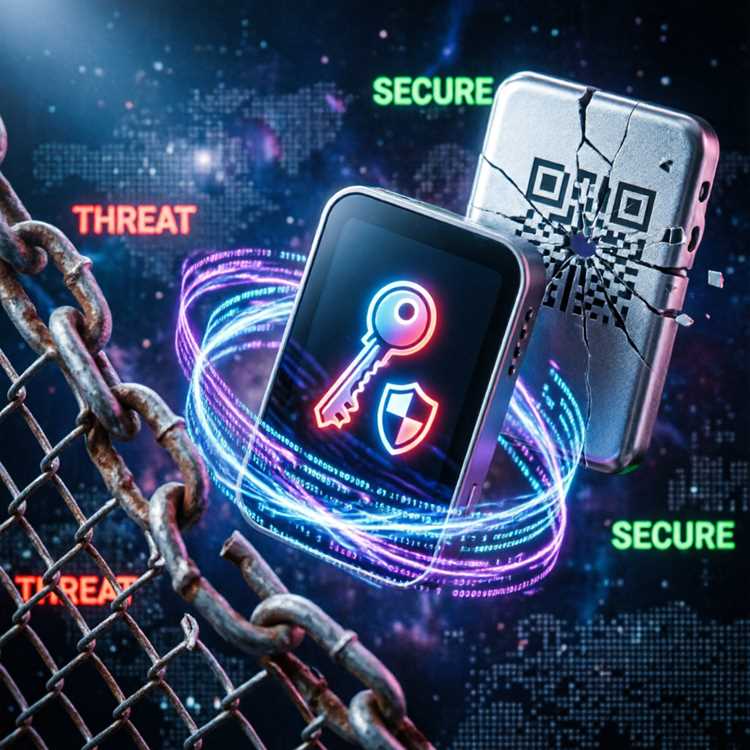
Safepal uses a camera to scan QR codes for transaction data. The device signs the transaction offline and displays a QR code. You scan this code with the mobile app to broadcast it. Trezor requires USB connection to a computer or phone for all transactions.
Malware Protection Advantages
Keyloggers and screen capture malware cannot access an air-gapped device. Even if your computer has malware, the signing process remains isolated. Trezor connected via USB could potentially be compromised through firmware exploits during the connection window.
Practical Usage Differences
Air-gapped signing takes slightly longer due to QR code scanning. Users who transact frequently may prefer USB convenience. Security-focused users who make fewer transactions appreciate the added isolation. Battery life also differs since Safepal devices include rechargeable batteries for wireless operation.
Pricing and Value Comparison
Cost influences purchasing decisions for many buyers. Safepal vs Trezor pricing varies by model and included accessories. You can find the current Safepal wallet cheapest option by checking ongoing promotions.
| Model | Price Range | Compatibility | Best Use Case |
|---|---|---|---|
| Safepal S1 Pro | $50 - $60 | iOS, Android | Mobile-first users |
| Safepal X1 | $100 - $130 | iOS, Android | Advanced security with air-gap |
| Trezor Model One | $60 - $80 | Desktop, Web | Desktop-focused users |
| Trezor Model T | $180 - $220 | Desktop, Web, Mobile | Touchscreen experience |
Budget-Friendly Options
Safepal S1 Pro offers the lowest entry price among hardware wallets. buy Safepal wallet directly from the manufacturer often includes free shipping. Trezor Model One costs slightly more but lacks air-gap features. Choosing the cheapest option means accepting fewer security features.
Premium Model Differences
Trezor Model T uses a color touchscreen for better user experience. Safepal X1 includes biometric fingerprint authentication. Safepal X1 security reviews highlight the biometric feature as unique in this price range. Premium buyers should weigh touchscreen convenience against biometric protection.
Accessory Costs
Protective cases and replacement cables add to total ownership cost. Safepal sells accessories like screen protectors and carrying pouches. Trezor offers official leather cases and metal seed storage plates. Safepal wallet sale events bundle accessories at reduced prices.
User Experience and Interface Design
Easy setup and daily use matter for non-technical users. Comparing Ledger vs Safepal and Trezor reveals different design philosophies. Each wallet aims to make crypto storage accessible to everyone.
Mobile App Experience
Safepal functions primarily through its mobile app. The app handles portfolio tracking, transaction history, and DApp browsing. Trezor relies on desktop software called Trezor Suite. Mobile support for Trezor requires third-party wallet connections.
Device Screen and Input
Trezor Model T includes a full color touchscreen. Navigating menus feels intuitive and modern. Safepal devices use a monochrome display with physical buttons. The S1 Pro screen shows QR codes clearly but lacks touch functionality.
Setup Time and Learning Curve
Initial setup for both devices takes about 15 minutes. Generating the seed phrase and writing it down represents the longest step. Installing companion apps adds another 10 minutes. Users familiar with mobile apps find Safepal faster to configure. Desktop-oriented users prefer Trezor's traditional setup flow.
Warranty, Returns, and Customer Support
Device failure or shipping damage requires reliable support channels. Understanding Safepal warranty claim policies helps avoid frustration after purchase.
Warranty Coverage Period

Safepal offers a 1 year limited warranty against manufacturing defects. Trezor provides 2 years of warranty coverage for all models. Both companies replace defective devices within the warranty period. Shipping costs for returns typically fall on the customer.
Customer Support Channels
Safepal support operates through email and ticket system. Response times average 24 to 48 hours. Trezor provides email support with similar response times plus an active community forum. Both companies lack phone support for direct assistance.
Return Process Details
Returning a device requires contacting support for an RMA number. Customers must ship the device back in original packaging. Refunds process within 5 to 10 business days after receipt. International customers should verify return shipping costs before purchasing.
Advanced Security Features for Power Users
Experienced users demand granular control over security settings. Hardware wallet security comparison must examine these advanced options. Both wallets provide features beyond basic PIN and seed phrase protection.
BIP39 Passphrase with Advanced Options
Passphrases create hidden wallets invisible without the specific phrase. Trezor allows 50 character passphrases entered on the device. Safepal supports passphrases up to 128 characters entered through the app. Longer passphrases provide higher entropy against brute force attacks.
Shamir Backup Support
Trezor Model T includes Shamir backup for splitting the seed into multiple shares. This feature requires 2 or more shares to restore the wallet. Safepal does not support Shamir backup natively. Power users who want distributed seed storage should choose Trezor.
Firmware Update Security
Updating firmware requires trust in the update process. Trezor verifies firmware signatures before installation. Safepal also uses signed firmware updates delivered through the mobile app. Both companies recommend verifying firmware hashes after downloading but before installing.
Pros and Cons Summary
Balancing features against drawbacks helps finalize your decision. Reviewing Safepal Pro review content reveals common user praise and complaints.
- Safepal Advantages: Air-gapped signing, secure element chip, multi-chain support, mobile-first design, lower entry price.
- Safepal Disadvantages: Shorter warranty period, limited desktop support, less community documentation for firmware.
- Trezor Advantages: Longer product history, thorough open source verification, Shamir backup support, active developer community.
- Trezor Disadvantages: Higher prices for model T, no air-gap capability, fewer supported blockchains natively, requires USB connection.
Frequently Asked Questions
Common questions arise when comparing hardware wallets. This section provides direct answers to typical user concerns.
Which wallet offers better protection against physical theft?
Safepal devices include tamper switches and secure element chips. Trezor lacks these physical protections. For theft scenarios, Safepal provides stronger physical security.
Can I use these wallets with DeFi platforms?
Both wallets connect to DeFi through wallet connections. Trezor works with MetaMask and other browser wallets. Safepal includes a built-in DApp browser for direct DeFi access.
What happens if the company goes out of business?
Your funds remain safe because the seed phrase works with any compatible wallet. Both devices generate standard BIP39 seed phrases. You can import the seed into other hardware or software wallets at any time.
Which wallet is easier for beginners?
Safepal mobile app provides a simpler setup experience. The interface guides users through each step. Trezor requires desktop software installation which adds complexity for less technical users.
How often do firmware updates release?
Trezor releases updates every 2 to 4 months. Safepal updates appear every 3 to 6 months. Both companies prioritize security patches and feature improvements.